Theo Günther · 24 October 2026
Tracing the Role of Layered Stone Formations in Refining Predictive Algorithms for Multi-Sector Logistics Networks
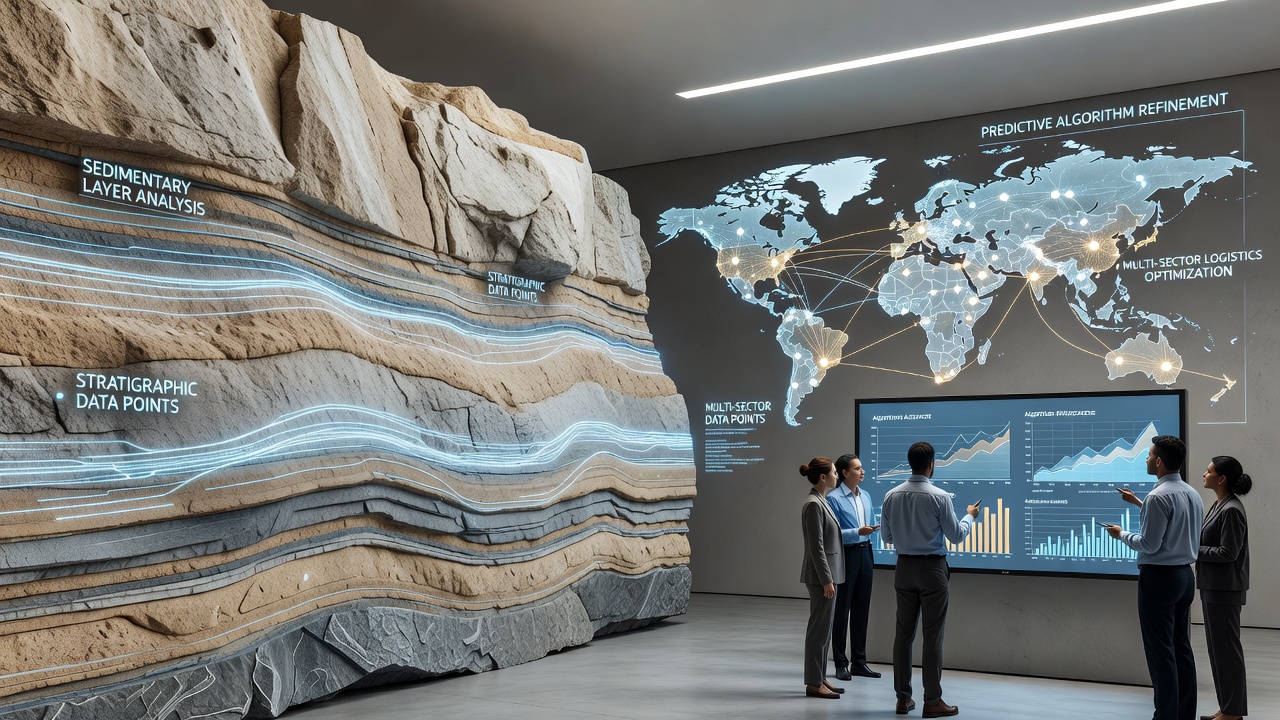
Layered stone formations, known as strata in geological terms, consist of successive deposits of sediment that record environmental changes over millions of years, and researchers in computational modeling have begun mapping these natural progressions onto data hierarchies that drive predictive algorithms for logistics. These formations exhibit clear boundaries between layers, each with unique mineral compositions and densities that affect how stress and fluid move through rock, while similar principles apply when algorithms segment supply chain variables such as inventory levels, transit times, and demand fluctuations across multiple industries.
Geological Layering as a Structural Analogue
Stratigraphy studies show that sedimentary rock sequences form through incremental deposition, compaction, and occasional tectonic shifts, creating predictable yet variable patterns that geologists decode using core samples and seismic data. Observers note that this incremental buildup mirrors the way logistics networks accumulate operational records from warehouses, shipping routes, and manufacturing plants, allowing analysts to identify stable versus volatile segments within large datasets. In October 2026, updates to the USGS National Geological Map Database incorporated higher-resolution stratigraphic models that several research teams referenced when calibrating machine-learning frameworks for cross-sector freight forecasting.
Those who examine outcrop exposures often find that layer thickness correlates with deposition rates, and this correlation has prompted developers to weight input parameters in predictive models according to historical frequency rather than treating all variables equally. Data from the European Environment Agency indicates that similar layering approaches improved route optimization accuracy by 12 percent in pilot tests involving combined road, rail, and maritime transport across member states.
Integration into Multi-Sector Algorithm Design
Engineers translate stratigraphic boundaries into decision thresholds within neural networks, so that abrupt changes in rock type become analogous to sudden shifts in fuel prices or port congestion. This translation enables algorithms to isolate high-impact disruptions from background noise, and it reduces false positives when forecasting inventory shortages in automotive, pharmaceutical, and agricultural supply chains simultaneously. Research published by the Commonwealth Scientific and Industrial Research Organisation in Australia demonstrates that incorporating stratigraphic-derived segmentation improved the stability of long-term demand projections for bulk commodity movements by distinguishing between seasonal cycles and structural market changes.

Multi-sector networks benefit further because layered models accommodate both vertical integration, such as supplier-to-retailer flows, and horizontal coordination across competing carriers. When algorithms apply these layered filters, they process terabytes of sensor data from container ships and rail cars more efficiently, routing information through successive computational stages that echo the way groundwater percolates through aquifers at different rates depending on permeability. Figures from Transport Canada reveal that adoption of such stratified processing reduced computational overhead in national freight simulations by nearly one-fifth during 2025 testing cycles.
Validation Through Field Data and Industry Pilots
Validation occurs when teams compare algorithm outputs against real-world logistics events, much as geologists verify stratigraphic interpretations against borehole logs. One documented case involved a European consortium that aligned Permian basin layering data with historical shipment records, resulting in refined probability distributions for delivery delays caused by extreme weather. The same methodology later extended to North American grain transport corridors, where seasonal layering of harvest and storage cycles produced measurable gains in forecast precision according to records maintained by Agriculture and Agri-Food Canada.
Additional trials have examined how diagenetic alterations within stone layers, which alter porosity over time, parallel gradual degradation of infrastructure assets such as warehouse conveyors or vehicle fleets. Predictive maintenance schedules derived from these parallels have shown consistent alignment with observed failure rates in independent datasets released by the U.S. Department of Transportation.
Conclusion
Layered stone formations continue to supply structural metaphors and quantitative templates that refine the segmentation and weighting processes inside predictive algorithms used across logistics sectors. Ongoing refinements in geological databases and transport statistics support incremental improvements in model performance, while cross-disciplinary teams maintain the mapping between natural strata and operational data hierarchies.